I.
Communication, quietly
A child may delay spoken words, avoid eye contact, or speak in echoed phrases from favourite films and songs.
 Autism Foundation
Understanding autism
Autism is not a tragedy. It is a way the mind meets the world — more keenly, more quietly, more literally. Our divine children see the world whole. Here is a gentle guide for parents, teachers and friends.
§ 01 — What is autism?
Autism Spectrum Condition (ASC) is a lifelong way in which the brain processes the world. Our divine children often experience sensations — light, sound, touch, taste — with greater intensity; they may speak later, or communicate in colours and gestures rather than words; they may love routine, love repetition, love the safety of patterns.
It is called a spectrum because no two children are alike. One may paint the whole sky from memory. One may line up the world by colour. One may speak four languages before they are six. Another may speak with their hands. All of them belong.
Autism is not something to be cured. It is something to be understood, and to be walked with — patiently, kindly, completely.
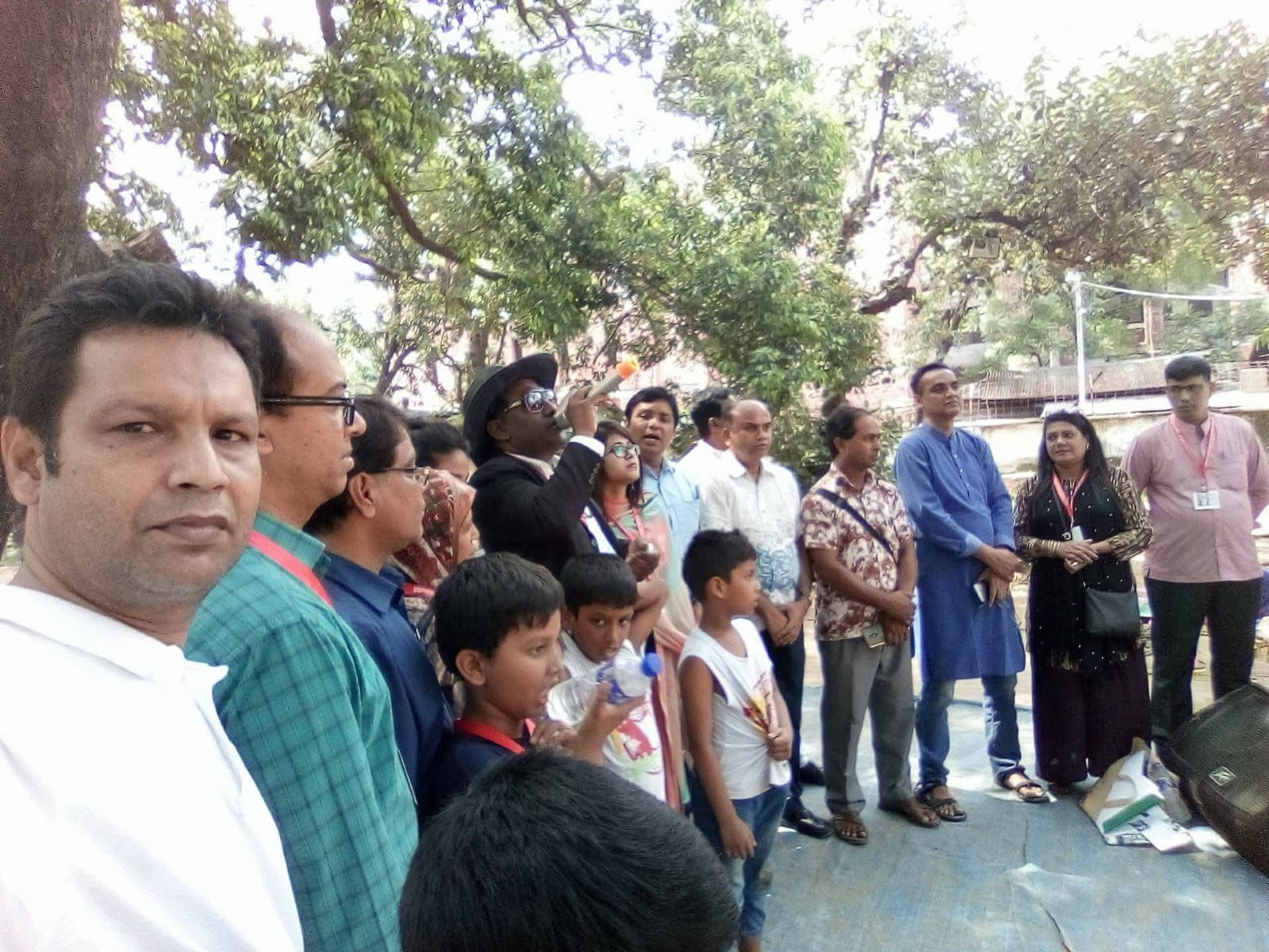
Speaking up for our divine children — under the old mango trees.
§ 02 — Signs & traits
A child may delay spoken words, avoid eye contact, or speak in echoed phrases from favourite films and songs.
Certain sounds, lights or textures may overwhelm; others may soothe. A child often seeks or avoids specific sensations.
Predictability is a kindness. Small changes — a new path, a moved chair — can unsettle more than you might expect.
Trains, numbers, maps, a single song played a thousand times — intense, focused passions are a gift, not a symptom.
Rocking, flapping, spinning, tapping — "stimming" is a way a child self-regulates. It is not something to be stopped.
Some children play alongside, not with. Some share through objects, not words. All connection counts.
These are not a checklist. If you recognise some of these in your child and want to talk — call us. Every mother and father is welcome at the Foundation gate.
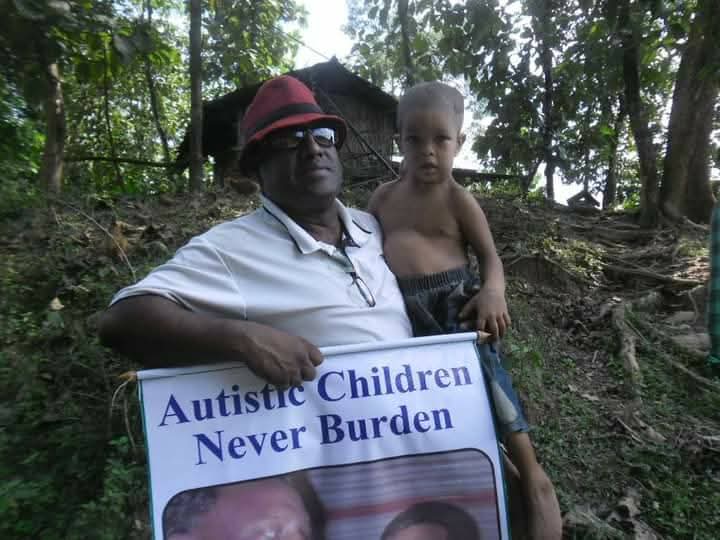
"Autistic children — never a burden."
A small sign carried into the villages of Madhupur, again and again, until the words become a habit of the heart.
§ 03 — What we know
Sources: World Health Organization · Bangladesh Ministry of Health · Foundation records. The numbers move with each new study — we keep them in view but do not let them define a single child.
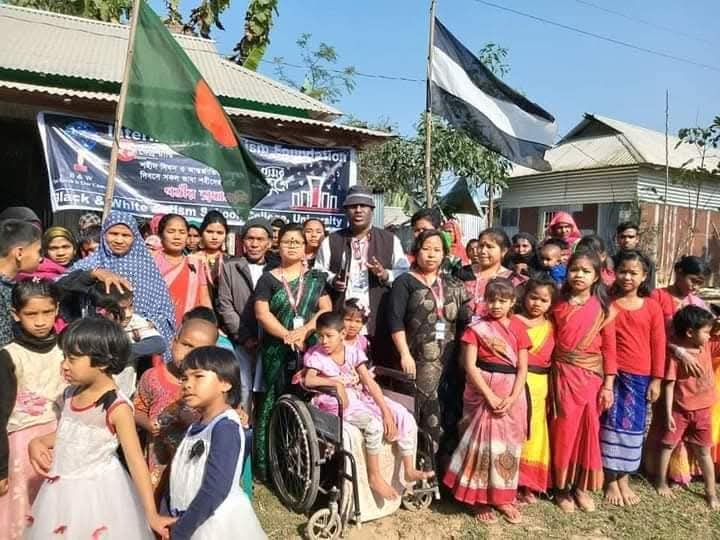
Bangladesh and the Foundation, side by side — a village gathered, no child left at the back.
Flag day · Madhupur village§ 04 — Walking alongside
A child often understands much more than they can say back. Give time. Sit with them in silence. Let the first words come from them.
Keep mealtimes, bedtimes, the walk home — the same when you can. Change is kinder when announced slowly, in words and pictures.
Lower the noise. Dim harsh lights. Let a child wear the soft clothes, keep the weighted blanket, hold the spinning toy.
The word tried today is the word spoken tomorrow. Every small step is a whole morning of work. Say so.
No family should walk alone. Teachers, therapists, doctors and other mothers are a community — the Foundation's gate is always open.
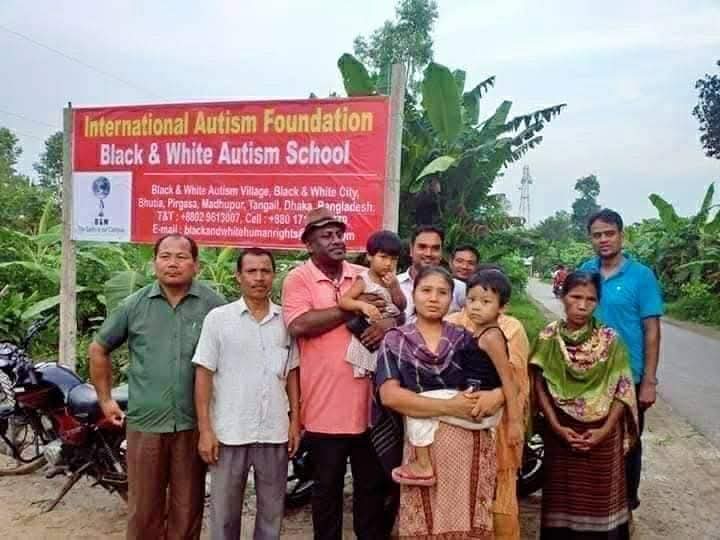
The first place a divine child is welcomed — at the village edge, by name.
§ 05 — Next steps
Our Chairman, helpline and coordinator are on call. No queue. No forms.
Doctors, dentists and therapists — first Friday of every month at the Madhupur campus.
Bring your child, your questions, or simply your curiosity. The gate is always open.
"Sometimes the school comes to the child."
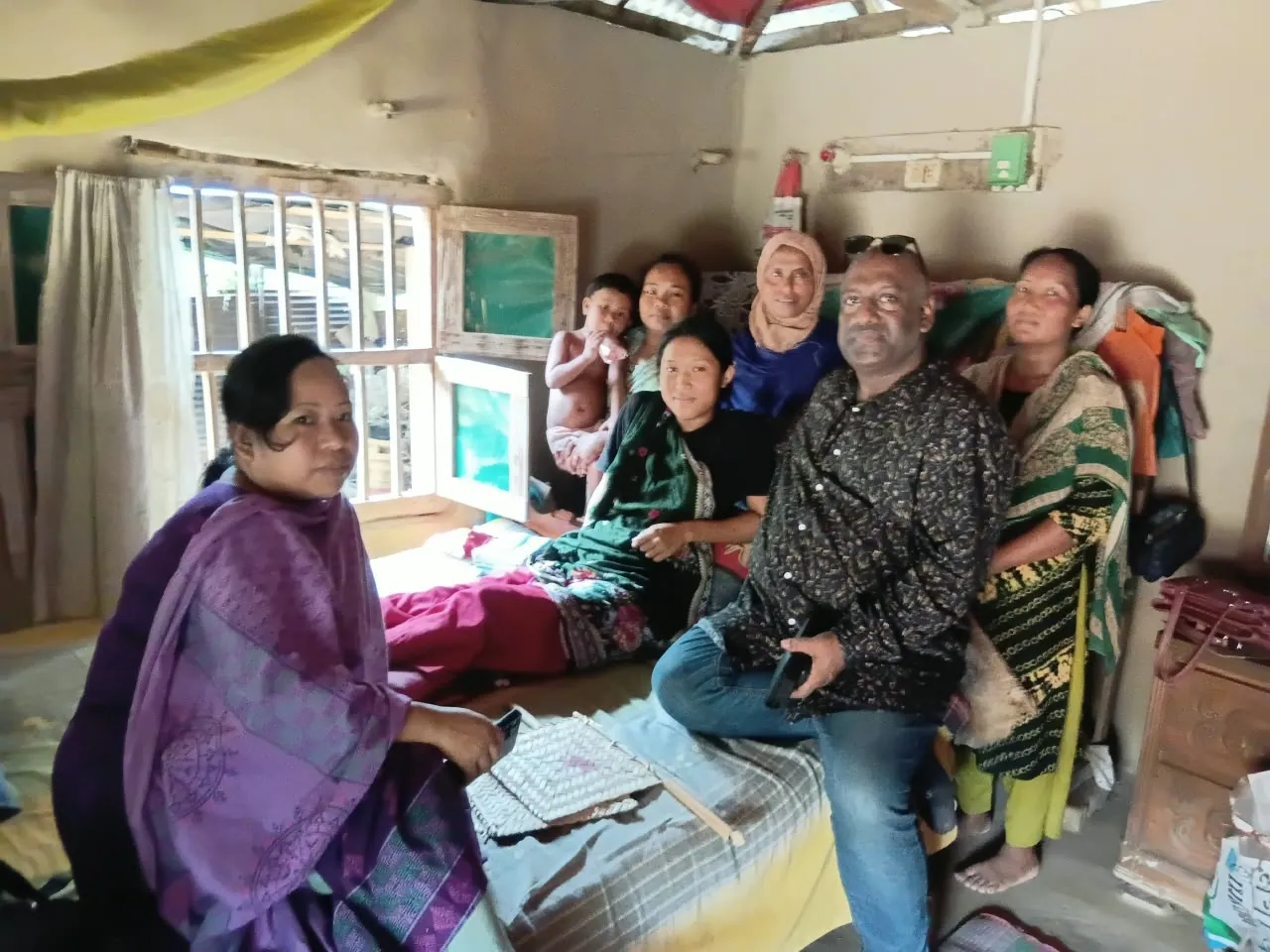
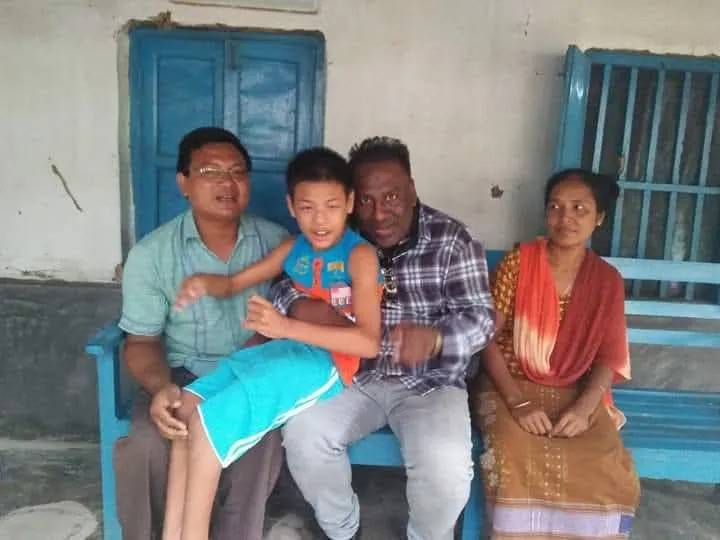
Sitting with families on their own verandas and beside their own beds — listening first, in the place where a child feels most at ease.
See more from the field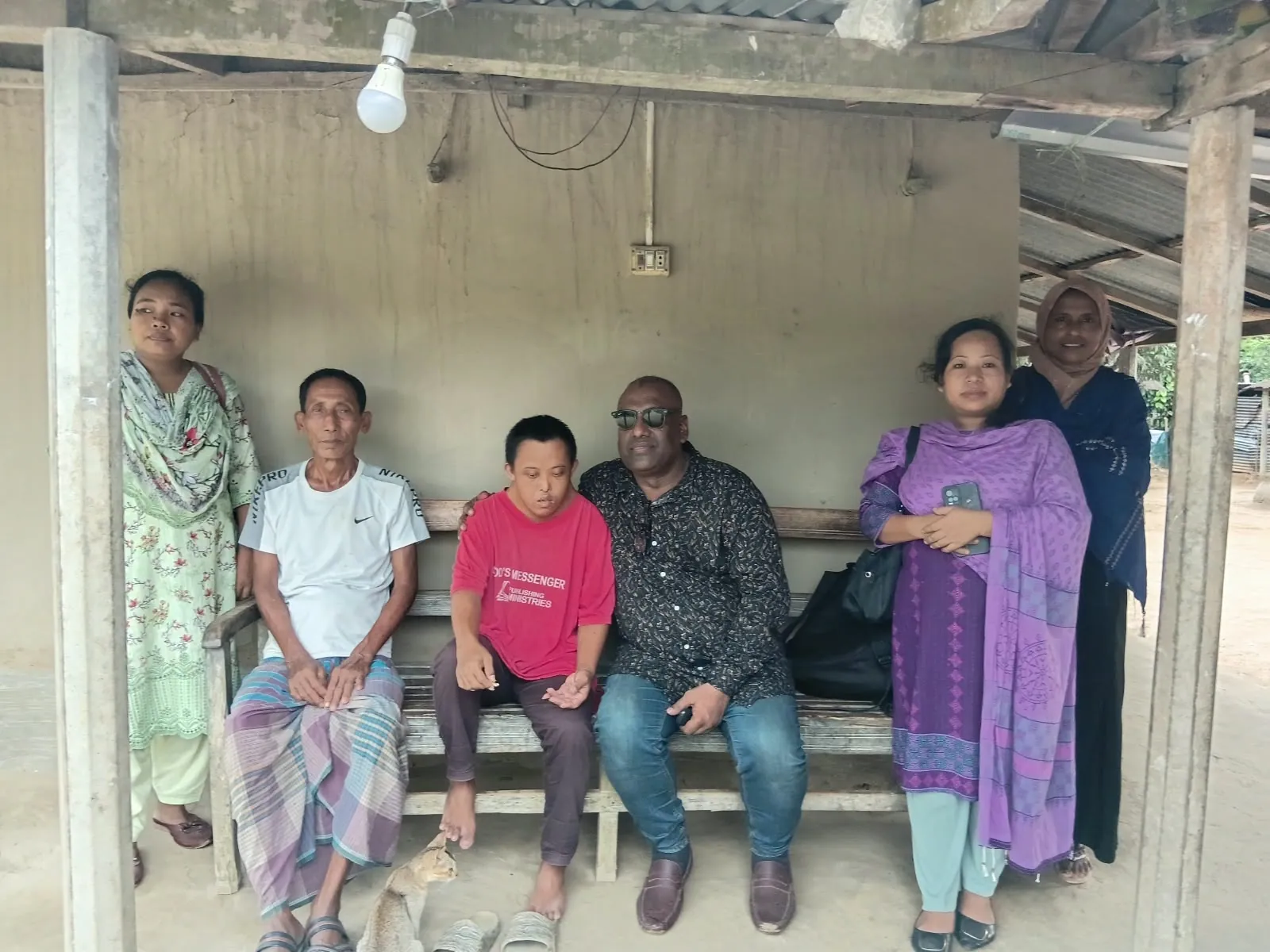
Stand with us
A donation, a volunteering hour, a quiet blessing — each one keeps the school, clinic and kitchen open for another day.